A leading HVAC supplier can provide pleasant conditions for the entire ship. Koja Marine air conditioning systems improve energy efficiency and passenger comfort. You can trust our HVAC system design, production and commissioning throughout the ships life cycle. We control all conditions on board.
Property sustainability and productivity rise with the same tide. Wave Solution reduces the amount of purchased energy by up to 70% and ensures the well-being of property users.
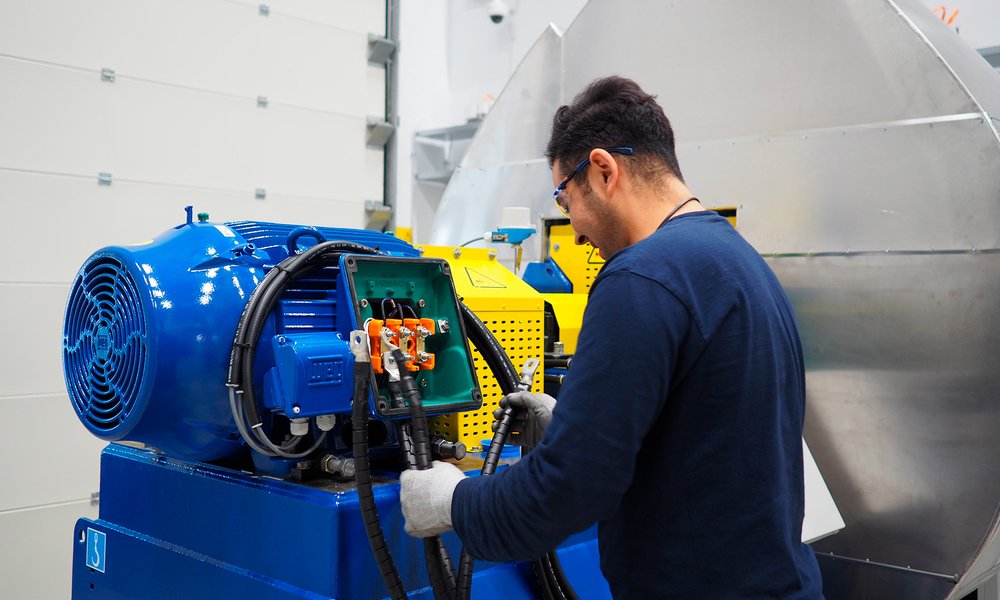
Koja has delivered reliable and efficient fan solutions since 1935. Our reliable process fans are also energy- efficient – even in demanding processes. Nearly 50,000 fans have been delivered all over the world.
Koja supplied the cooling system for one of Europe’s leading AI data centers
The enormous heat output of AI servers poses challenges for data center cooling. Finnish company Koja took advantage of the cool northern climate to cool Nebius’s data center, while also developing new, energy-efficient, glycol-free liquid cooling technology.
Finland is an ideal location for data centres that generate vast amounts of heat, as the cool northern climate allows outdoor air to be used for cooling throughout the year. This saves both electricity and money.
Finland’s advanced district heating network supports energy recovery from data centres. Through this network, waste heat generated at a data centre can be used to heat homes and other buildings, rather than being released into the atmosphere.
However, the cold climate also presents challenges, says Taneli Timlin, Chief Technology Officer at Koja Oy, a family-owned company with a history spanning almost a century. Koja manufactures intelligent, energy-efficient air handling solutions and industrial fans.
“The cooling system must withstand harsh northern winter conditions while also operating reliably on hot summer days,” Timlin says.
Decades of experience in data centre projects
Finnish company Koja has been delivering data centre cooling solutions since the early 2000s. Timlin explains that just twenty years ago, data centres were rooms within buildings or telecommunications operators’ equipment rooms, cooled using precision air conditioning units.
“These rooms have now grown into vast data halls that require much more complex cooling technology,” Timlin explains.
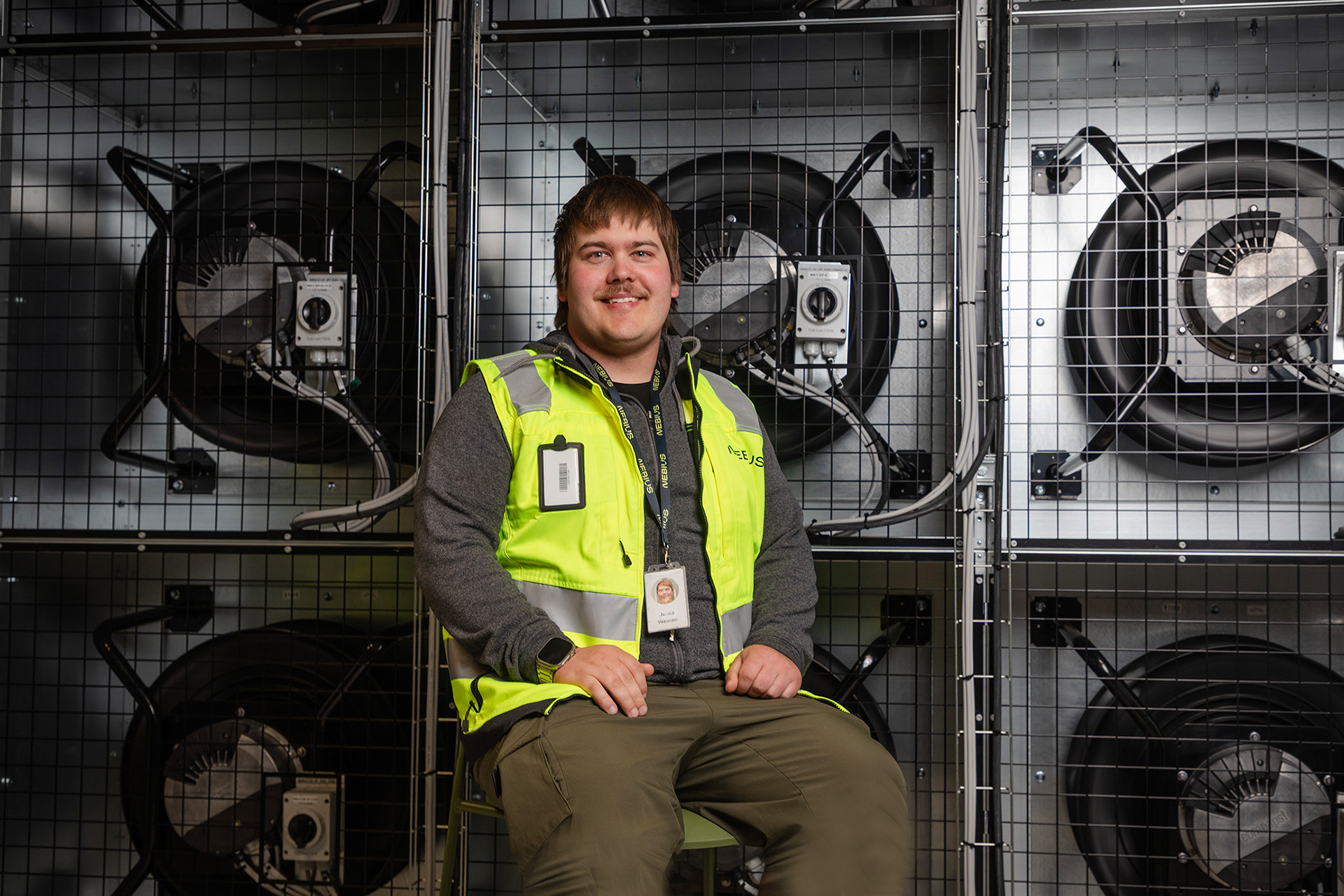
Data Center Manager Juuso Vesanen, Nebius DC Oy
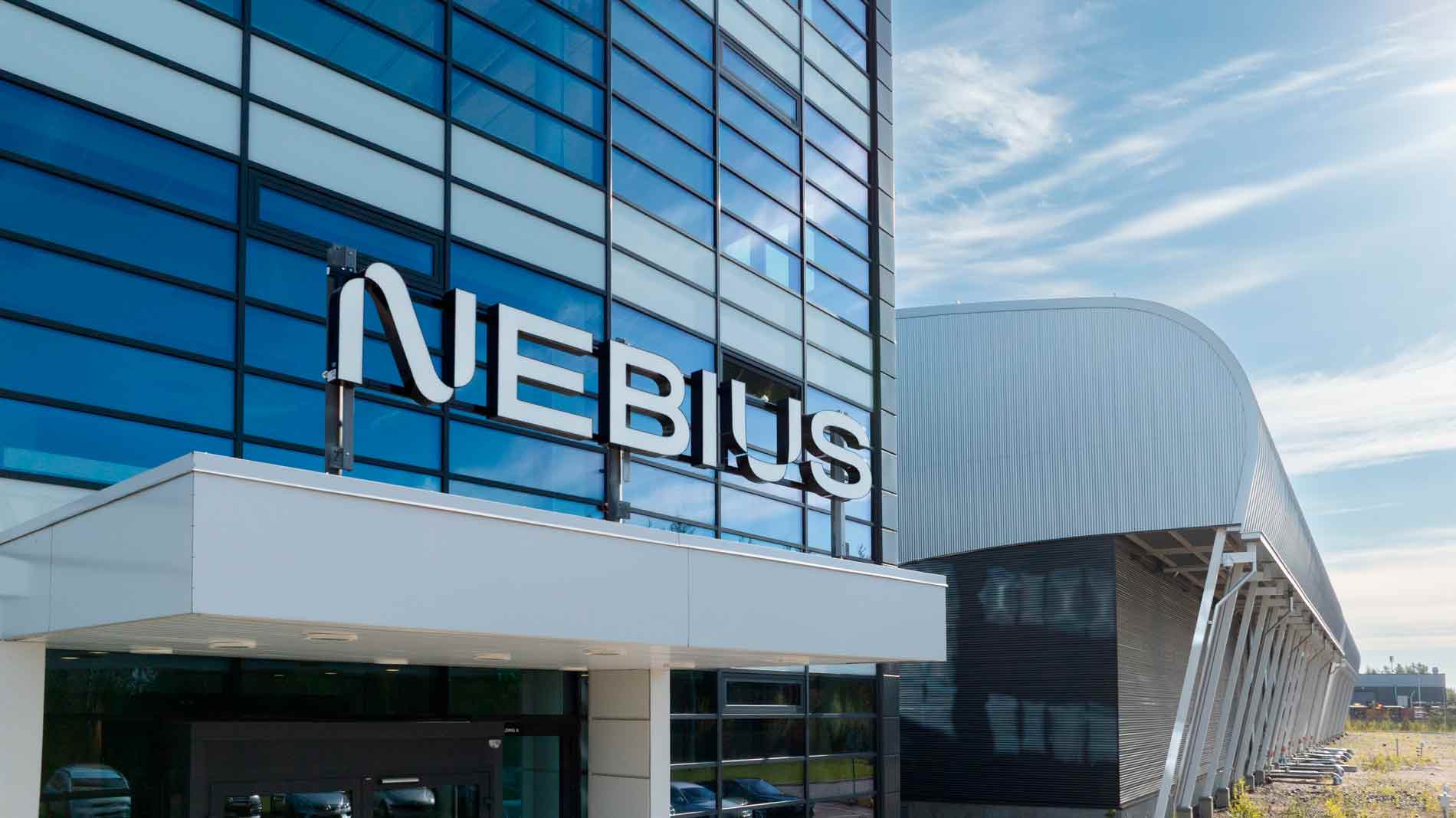
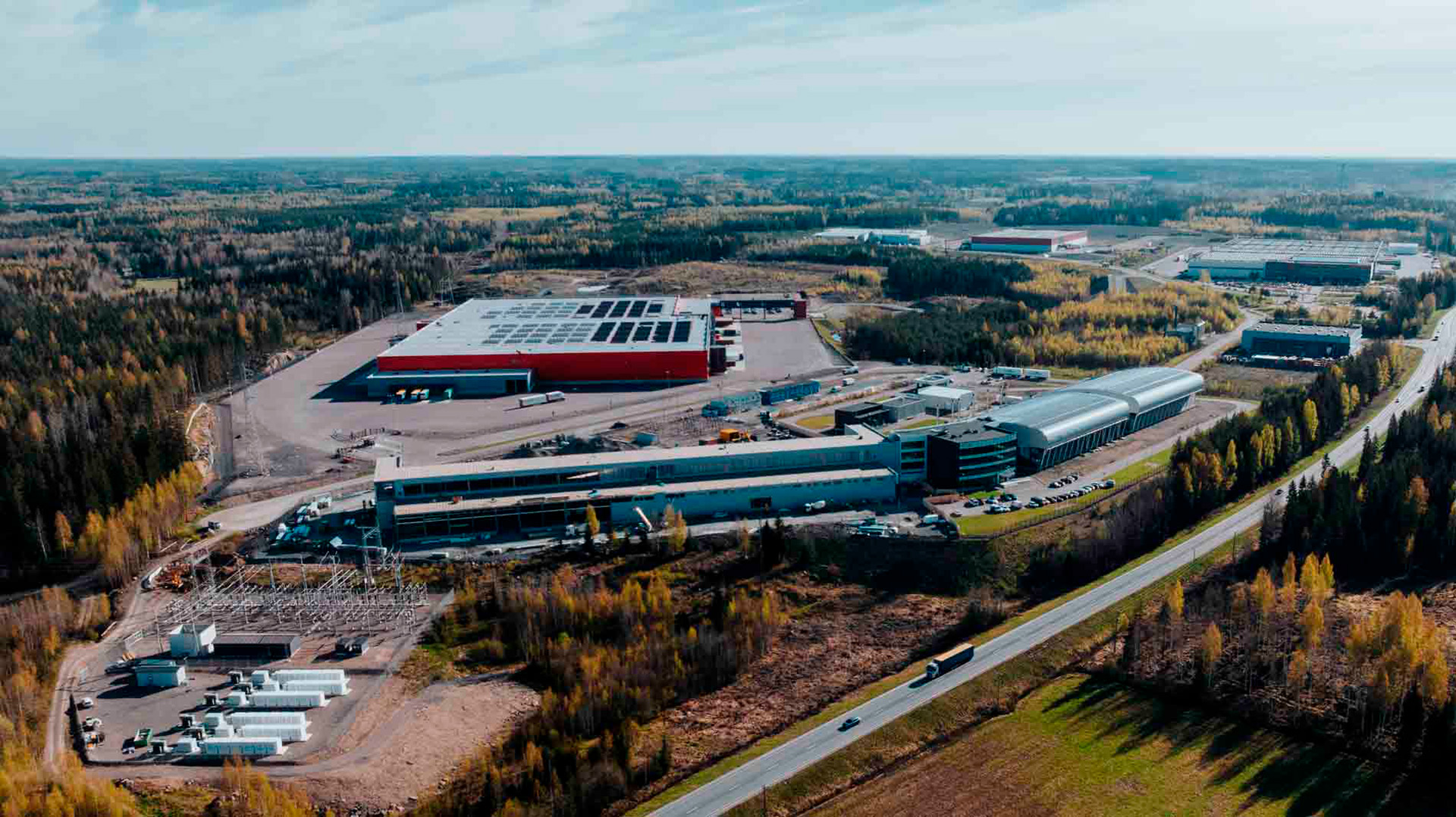
Koja’s collaboration with data centre company Nebius began more than ten years ago, when construction of the Mäntsälä data centre started. Koja supplied almost all of the technology for the facility’s cooling system.
In late 2024, Nebius announced that it would begin expanding its Mäntsälä data centre. Caverion delivered the building services systems, including liquid cooling, heat recovery, ventilation, fire protection, and electrical and HVAC installations. As part of the project, Koja supplied a large-scale air-cooling system, playing a key role in the data center’s overall cooling infrastructure.
“We have worked with Koja for a long time and have been pleased with their contribution and the quality of their work. It was an easy decision to start a new project with them,” says Juuso Vesanen, Data Center Manager at Nebius DC Oy.
Liquid cooling to complement air cooling
Account Director Sauli Syrjänen, Koja Oy
The new buildings at the Mäntsälä data centre differ in design from the original buildings. Koja implemented direct outdoor air cooling in the data centre’s first buildings, but this was no longer sufficient for the new buildings, which house AI servers.
“As AI has become more widespread, data centre power capacities have multiplied within just a few years. A large data centre might previously have had a total capacity of ten megawatts, whereas facilities exceeding one hundred megawatts are now frequently being built,” says Sauli Syrjänen, Account Director for Data Centre Projects at Koja Oy.
Most of the heat from AI servers is typically captured directly by liquid cooling, while air cooling removes the heat released into the data hall. Nevertheless, according to Syrjänen, air cooling capacities have also increased significantly.
“Koja is the only Finnish equipment manufacturer capable of building cooling systems on this scale using both air and water circulation. We always design and deliver scalable systems to meet the customer’s needs.”
Nebius’s Vesanen says he is satisfied with the equipment and systems supplied.
“Everything has operated reliably, and there have been very few failures relative to the number of units installed.”
Local customer support and ease of maintenance are key strengths
When a cooling system is supplied by a Finnish company, product support is also close at hand. According to Vesanen, the ease of maintaining Koja’s systems and the support available from the equipment manufacturers are among the company’s key strengths.
Koja offers expert local support and has a large organisation capable of maintaining data centres throughout their entire life cycle.
Effective maintenance and support are essential, as data centre servers must operate reliably around the clock. This makes operational reliability a key design criterion for data centres. Every component is designed so that the system can continue operating even in the event of a failure.
Koja’s understanding of the Arctic climate is another advantage. The project specifically sought an energy-efficient cooling system that would take advantage of Finland’s weather conditions.
Tight schedules are typical of data centre projects
The already fast-paced construction schedule for the Mäntsälä expansion was accelerated twice as the project progressed. This required flexibility and skilled project management, explains Jussi Jarkko, Project Manager for Data Centre Projects at Koja Oy.
“We had to begin procurement at the same time as design, as there was no time to lose. Even before design work began, we therefore had to know how the work would be carried out and which materials needed to be ordered.”
On one occasion, the schedule had to be accelerated so much that a subcontractor could not deliver the required components quickly enough. Koja therefore decided to collect the components by van from as far away as Slovakia, so that construction could continue according to the planned hour-by-hour schedule.
“Koja has always kept to the agreed schedules. They have been flexible to work with and have taken our requested changes and needs into account,” Vesanen says appreciatively.
At times, the tight schedule has also required weekend work. Keeping to schedule is essential in a project as large as a data centre development.